At a glance
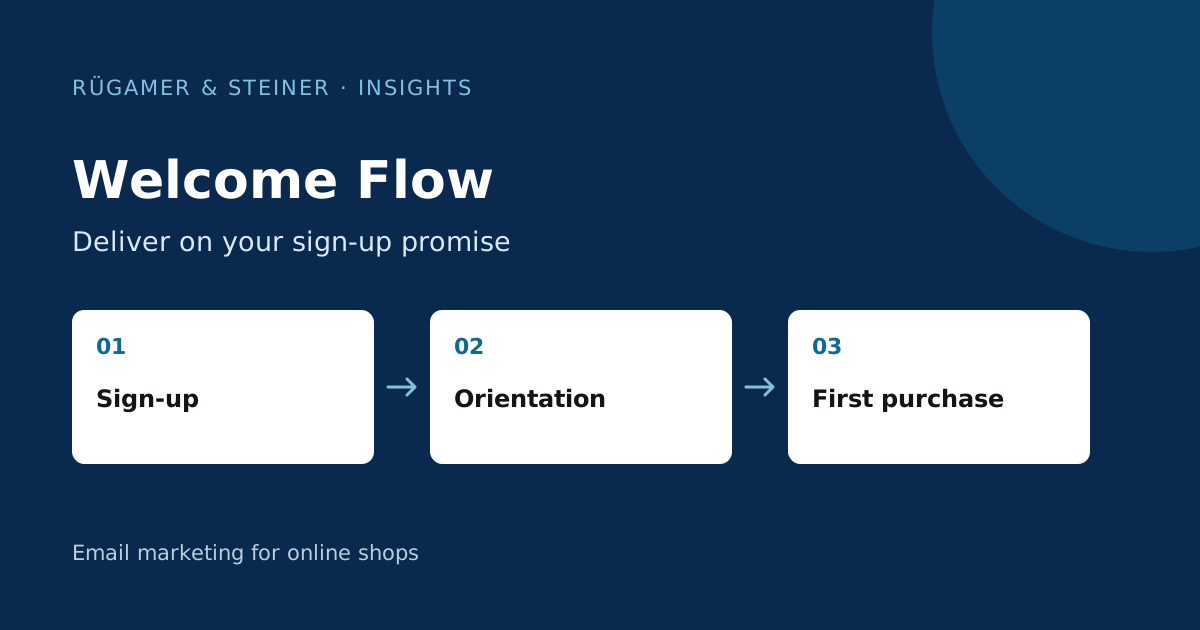
A Welcome Flow greets new subscribers following the intended sign-up process. First, determine what has been promised, what information buyers and prospective customers need, and when messages should be sent. Check the form, confirmation, list subscription and email received as a coherent sequence.
What triggers a Welcome Flow?
The classic Welcome Flow in Klaviyo begins when a user subscribes to a selected list. In the case of double opt-in, this subscription only takes place after confirmation. Klaviyo describes the process in the Guide to a welcome series. This means that the choice of list is a content-related decision: it must be consistent with the shop’s forms and registration methods.
Before building the site, create a brief overview: footer form, pop-up, landing page and checkout registration. For each path, note down the target list, language and the visible promise. Someone who has requested a size guide expects to see that content. A general discount newsletter may collect the same address, but requires a different opening message. Different invitations should not trigger the same initial message without verification.
The first message fulfils the sign-up promise
The first email answers three simple questions: Who is writing to me? What am I getting? What can I do now? Use the same sender and the same terms as on the sign-up page. If a guide is advertised there, link directly to the guide. If a voucher has been promised, explain the actual terms and conditions and display the redeemable code.
An example of our own model: An outdoor equipment shop offers a packing list for day hikes. The welcome email provides the list, includes a brief note on planning for the weather and refers to a suitable selection of rucksacks. The product link complements the promised content. A large discount banner at the top would detract from the purpose and reduce the sign-up to an offer that wasn’t even advertised there.
Planning a short series with different tasks
Plan each additional message as a separate task. After the greeting, a selection guide may follow: Which jacket is suitable for which occasion? After that, an email addresses a common barrier to purchase, such as fit or care. A third message is only useful if it facilitates a new decision. If it merely repeats the same products, it lacks a specific purpose.
The intervals are an initial hypothesis. A download should be available promptly; a detailed product consultation requires space to read. Note down the chosen order and the reason for it. Also check which campaigns are running in parallel. A new subscriber should not receive the entire welcome series, a weekly promotion and several reminders all at once on their first day. A clear timeline highlights such overlaps.
Buyers receive different content to new prospective customers
Create a branch only when it changes the content. A buyer already knows the checkout process and may need usage guidance. A prospective customer needs help choosing first. Before showing a discount message, check again for an intervening order. A condition immediately before the message accounts for changes since the series began.
To this end, avoid an unnecessarily large number of paths. Start by making a clear distinction between those showing initial interest and those who have already made a purchase. Language or product interest are further criteria, provided the data is reliably available. If a value is missing, the workflow requires a clear default email. Document each path with the reason, target audience and message. This allows another team member to check later why someone received a particular piece of content.
Take into account double opt-in and existing contacts
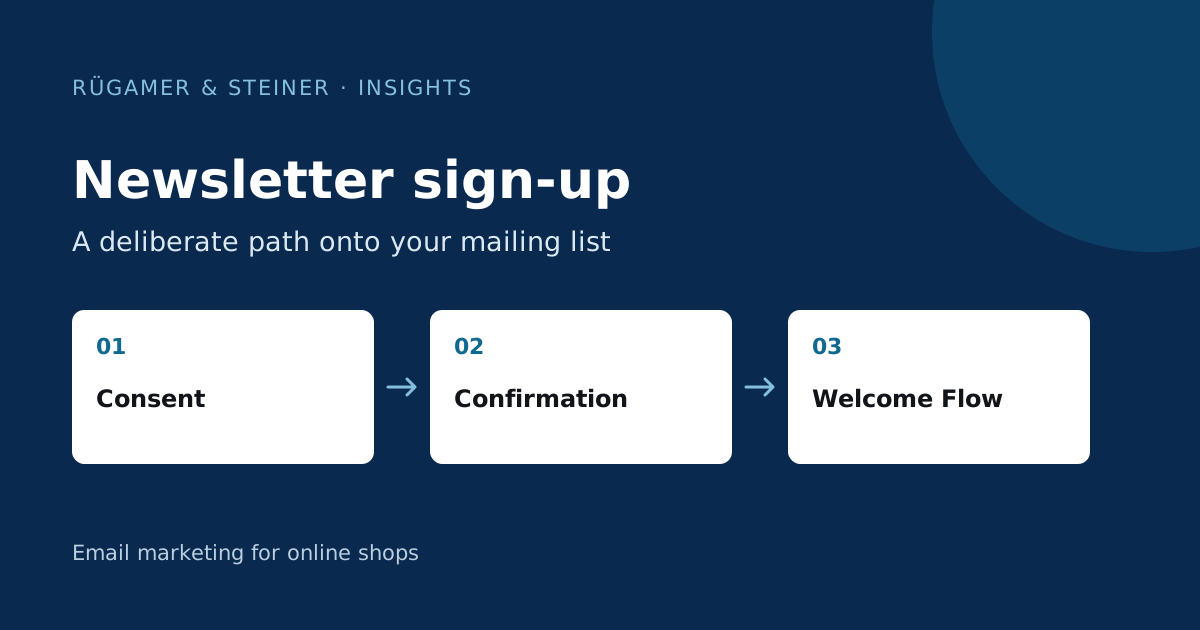
The confirmation email and the welcome email serve different purposes. The former confirms the registration request; the latter initiates the editorial communication. The Klaviyo Guide to Double Opt-in explains the technical settings. Also design the confirmation page and success message to match the language of the form, so that the transition between the steps remains clear.
When importing existing contacts, additionally check whether new welcome messages are being triggered unintentionally. A long-standing customer should not receive an email welcoming them to the brand for the first time. Keep imported records, new sign-ups and test contacts separate in the audit log. Furthermore, the tool setting does not replace a check to verify which documented basis for sending applies to the respective sign-up method.
Which test cases should be carried out before launch?
- New address registers and confirms: the target list and first email match the promise.
- New address not confirmed: This prevents any unwanted welcome communications from being triggered.
- An existing customer logs in: the customer journey contains relevant content.
- A customer makes a purchase between two emails: the next message takes the purchase into account.
- If a first name or interest is missing: the standard display remains legible.
- A person unsubscribes: Further marketing messages are suppressed.
Check the messages received on a smartphone and desktop, including vouchers, downloads, unsubscribes and landing pages. An editor preview does not confirm subscription to the mailing list or the sending logic. Include the test address, the registration process and the actual sequence of events in the log; sensitive profile data must not appear in screenshots shared publicly.
How do you evaluate the welcome series?
First, consider how many valid new sign-ups the first message reaches and why others are skipped. This is followed by unique clicks, orders and unsubscribes per message. Compare sign-up sources separately: a competition entry and a person with a specific interest in a product bring different expectations. A combined open rate masks these differences.
In the next round, adjust one justified element, such as the selection guide in the second email. Keep send time and recipient rules consistent. An inconclusive result is still useful. The series should be clear and reliable before you add messages, discounts or complex branches.
Sources and further documentation
Product documentation and primary sources relating to the steps described. Editorial source date: 5 October 2026.