
At a glance
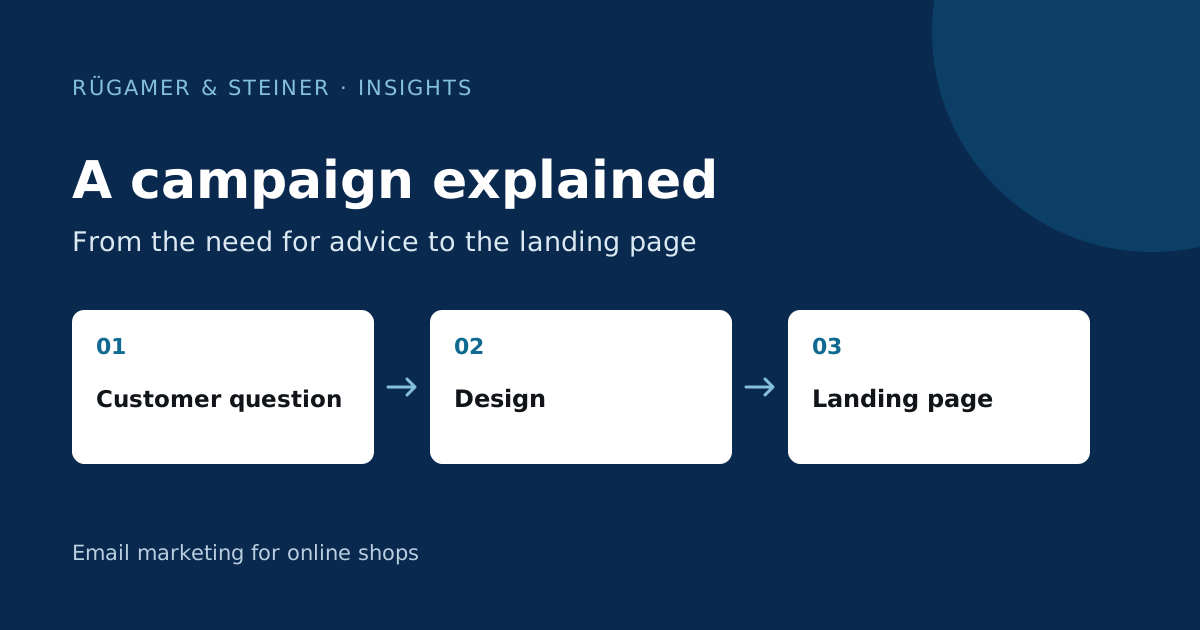
A useful campaign topic starts with a customer question. In the BMS example, the introduction is followed by three fabric sections and links to the relevant categories. The image export shows this design. Recipient selection, actual sending and results require further evidence; revenue figures cannot be read from it.
The real-life example: a fabric guide for bed linen
The example is taken from our Gallery of newsletter designs. It features a fabric guide from BMS Bettwaren: the introduction is followed by Mako satin, percale or batiste, and damask. Each section contains a bedroom or fabric image, several characteristics and a link to the shop. Another section leads to the fabric glossary; at the end are the three bed linen categories.
View the full BMS fabric guide

The fabric claims belong to the newsletter shown. Our analysis looks at their placement and clarity; it does not replace checking the product information. For products that need explanation, reviewing the accuracy of those claims is part of approval.
Which customer query does the campaign address?
A sensible reader’s question here would be: ‘How do the fabrics differ, and which bed linen is right for me?’ It is more specific than a general invitation to shop in the online shop. The email gives the three fabric groups a common purpose: to make the choice easier.
When planning a similar campaign, it would be necessary to clarify which customers still have this decision ahead of them. Existing interests, previous purchases or consultation meetings can provide clues. Which recipients BMS actually contacted is not documented here. Attributing them to a specific Klaviyo list or segment would therefore be an unsubstantiated addition.
The key question to ask before the design phase is: Which decision does our target audience find difficult? For technical products, this might be choosing a model; for outdoor items, it might be determining the intended use. The Guide to Klaviyo segmentation explains how a well-founded selection of recipients can be developed from this.
Why the order suits the content
- The topic takes precedence over product selection. The upper section announces a fabric guide and shows a bedroom setting. This makes the connection between the choice of material and bed linen immediately apparent.
- The explanation follows a familiar pattern. Each fabric group has its own image area, a short explanation and individual features. Readers find the same kinds of information in comparable places.
- Consultancy and product range remain linked. The buttons in the product sections provide a direct route to making a purchase. The subsequent link to the fabric glossary offers further information should the decision still be pending.
- The categories summarise the selection. The concluding image sections revisit the three groups of material. They provide a point of entry based on the criterion explained previously.
For a new email, we would also check whether the fabric differences could be compared more quickly: for example, through the same two or three decision criteria in each section. This is a suggestion for improving the reader’s journey, not a claim that the BMS newsletter was subsequently changed.
What else needs to be checked before a mailing
The export is lengthy and also contains text within the image areas. In the full view on a smartphone, some elements appear small. A specific test criterion is therefore whether the advice remains legible without zooming in and whether the email still conveys a comprehensible message if the images have not loaded.
It is not possible to tell from a graphic which elements in the finished email would be genuine HTML text. Even a drawn button does not constitute a working link. To verify this, you will need a test email containing the actual landing pages. When checking this, first examine the fabric guide and then each category entry: does the landing page match the advertised material, is the range available, and is the selection clear and easy to follow?
A comprehensive check also covers the sender, subject line and preview text, mobile layout, alternative text and unsubscribe option. The Newsletter design guide examines these tasks in more detail. A good draft and a checked version for sending are two successive deliverables.
How would we assess the campaign results?
We publish no click, sending or revenue data for the BMS fabric guide here. A useful evaluation of this type of advice email would separately consider how many recipients click through to the guide, which fabric categories they visit and which orders are attributed under the rules set beforehand. Opens alone do not answer those questions.
Before making a comparison, the recipient group, deliveries, offer, time period and measurement criteria must be established. Klaviyo explains the Message attribution: Attributed orders depend on recorded interactions and settings. They do not, on their own, demonstrate additional revenue.
A different practical example is provided by the Customer interview with Sabro. Erk Wiese reports that a one-day VIP sale generated more revenue than in the previous month. This statement relates to Sabro’s promotion, not to the BMS design. Without a supplementary measurement report, it also does not explain what proportion was attributable to individual emails, the offer and the promotion. The Klaviyo/GA4 comparison demonstrates how to prepare a robust evaluation.
How to apply this idea to your next newsletter
First, formulate a single selection question from your product range. Then identify the comparison criteria that a customer actually needs, and the appropriate landing page for each answer. Only then should you plan the imagery, text length and order. An email about the fabric and an email about colour selection can thus be treated as separate tasks.
Finally, note down what you would like to learn after sending the newsletter. In the case of a consultancy email, this might be whether readers tend to explore content in greater depth or focus on a specific category. The next issue will then be based on a clear question and the reactions observed. Our Newsletter topic plan and the freely usable Campaign briefing as a text file support this preparation.
Sources and further documentation
Technical statements refer to the linked documentation. Examples and guidance are marked as such.